

This article was originally published in UCSB’s The Current.
Thousands of songs representing some of the rarest and most uniquely American music born of the Jazz Age and the Great Depression would likely have been lost to landfills and faded from memory. Fans and historians have credited obsessive record collectors for preserving much of that music, and today they can thank a new partnership between UC Santa Barbara and the nonprofit Dust-to-Digital Foundation for making it available to the public for free.
UCSB Library Special Research Collections has been uploading music from the foundation’s trove of approximately 50,000 songs to the university’s Discography of American Historical Recordings (DAHR) database. So far, more than 5,000 Dust-to-Digital songs have been added to DAHR, said David Seubert, curator of the library’s performing arts collection. “There are thousands more in the pipeline,” he noted.
“The Dust-to-Digital Foundation has digitized some of the most important private collections in the country,” Seubert added. “We are pleased to partner with them to make this rare content accessible.”
Co-founded by Lance Ledbetter in 1999, Dust-to-Digital launched as a commercial label focused on preserving hard-to-find music and producing high-quality box sets, vinyl records, CDs, DVDs and books that share the detailed stories behind rare recordings. In 2010, Ledbetter and his wife, April, launched the brand’s nonprofit foundation.
Over the years, the Ledbetters have worked closely with collectors to digitize and preserve record collections for educational purposes and public consumption. Gaining trust and forging those relationships with often-lonely collectors requires patience and a genuine appreciation of music and its place in American history, April said. “We share his passion for preventing our musical heritage from being forgotten.”
Once a relationship is established, Dust-to-Digital sets up special turntables and laptops in a collector’s home, with paid technicians painstakingly digitizing and labeling each record, one song at a time. Depending on the size of the collection, the process can take months, even years.
Along the way, Ledbetter’s efforts earned him the Grammy for Best Historical Album, in 2007, for Art of Field Recording Volume 1: Fifty Years of American Traditional Music Documented by Art Rosenbaum and, in 2019, Best Historical Album and Best Notes for the box set, Mississippi Voices: Artists and Musicians Documented by William Ferris.”
“We’ve built our reputation through storytelling,” said Lance Ledbetter.
Seubert described the library’s partnership with Dust-to-Digital as a symbiotic union of an incredible music archive and the university’s established public access platform.
Launched in 2008 and funded in part by the National Endowment for the Humanities, DAHR (pronounced dar) has documented more than 440,000 master recordings made by record labels during the 78 rpm era, which spanned approximately 60 years beginning in the late 1890s. The archive is known for its record details, artist biographies, free streaming for non-commercial purposes, and the high quality of its digitization at the Audio Preservation Henri Temianka. Public domain recordings are also available for free download, consistent with the UCSB Library’s open access mission.
“The clarity and sound speak for themselves,” Ledbetter said.
rare birds
Included in the partnership release are two songs by Tennessee-born blues guitarist and singer Lane Hardin, who recorded “Hard Time Blues” and “California Desert Blues.” The songs, considered classics of the genre, appear on both sides of a 10-inch 78 RPM record released by Bluebird Records in 1936. Only a handful of copies are known to exist.
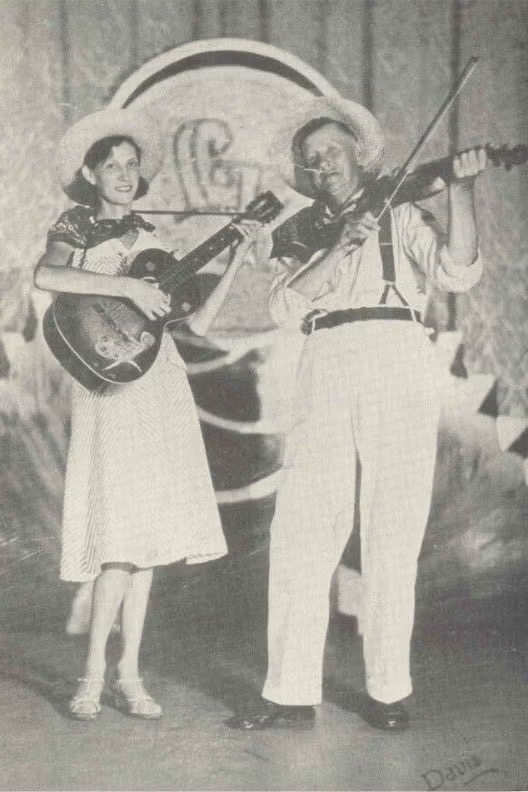
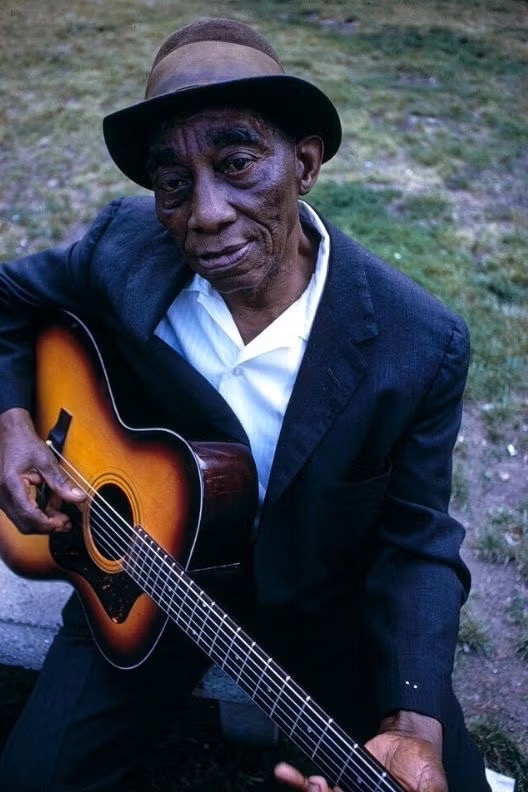
Also in the archive are recordings by guitarist and singer Memphis Minnie, singer and stage actress Eva Taylor, Reverend JM Gates and country music pioneer Fiddlin’ John Carson and his daughter, Rosa Lee Carson (popularly known as Moonshine Kate), who became an established solo artist and an innovative female performer in the genre.
“We felt it was important to get this music out there in some way,” April Ledbetter said. “DAHR is a great home for music that doesn’t necessarily have a commercial market but is no less valuable to history.”
bar and points
As the Ledbetters remember, they first crossed paths with Seubert decades ago at the annual conference of the Association for Recorded Sound Collections. In 2006, they learned that the Seubert Cylinder Preservation and Digitization Project was being “dotted,” a term that describes when a website crashes or receives a sudden, debilitating spike in traffic after being mentioned in an article on Slashdot, a popular news site at the time.
“We were aware of what David was doing with digitalization,” Lance recalls. “I had been working for years to put wax cylinder recordings online through a public institution; that was definitely on our radar.”
While the newly uploaded DAHR recordings come from various collectors, including Roger Misiewicz, Frank Mare, and Kentucky-born folk artist Nathan Salsburg, the bulk belonged to Joe Bussard.
The saint of ’78
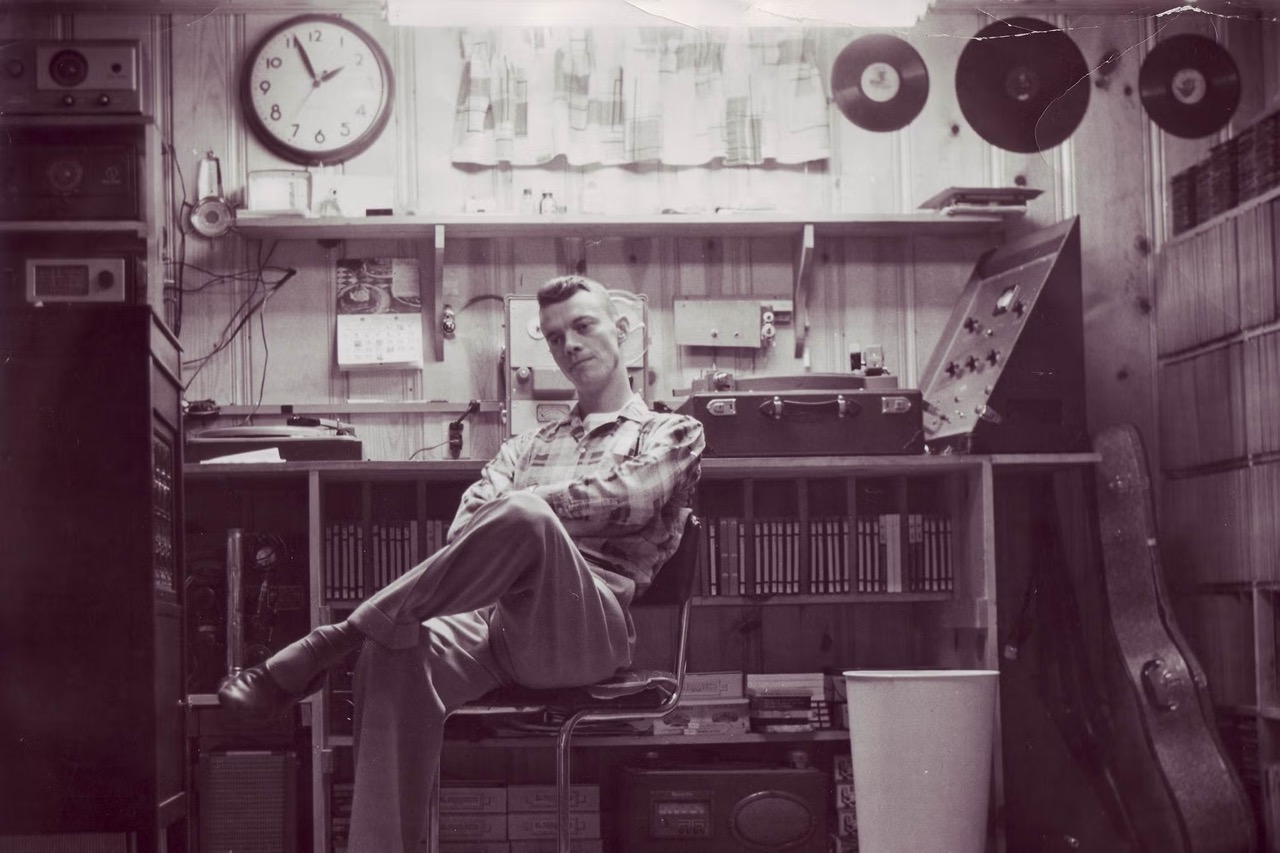
Bussard grew up in Frederick, Maryland, dancing as a child alongside the Victrola family and exchanging records with neighbors and friends. His early favorites were Gene Autry and Jimmie Rodgers, and his search for more of their music launched his 75-year obsession with record collecting.
Beyond the outskirts of Frederick and into the coal camps of Virginia and further south, Bussard purchased 78 calibers at rural general stores. Knocking from door to door, he loaded his trunk with boxes and crates unloaded by families happy to part with their dusty collections for some quick cash.
Increasingly, Bussard’s collection grew to include pioneering country string bands, jazz, bluegrass, Cajun and gospel, many of the musical seeds from which the popular songs of his beloved Jimmie Rodgers and the Singing Cowboy emerged.
In Joe Bussard: king of record collectorsA 30-minute documentary produced by Dust-to-Digital in 2005, he is portrayed as an archivist providing an invaluable cultural service, and his ever-growing collection preserves musical snapshots of traditional, and often highly localized, American music of the 1920s and 1930s. The era featured diverse musical dialects that existed only in small regions, sometimes even in a few contiguous rural counties. Musicians and historians point out that if it were not for the obsessive collecting of Bussard and others, much of this music would have disappeared. When Bussard died in 2022, he left his family approximately 15,000 records, the rarest of which could cost hardcore collectors several thousand dollars.
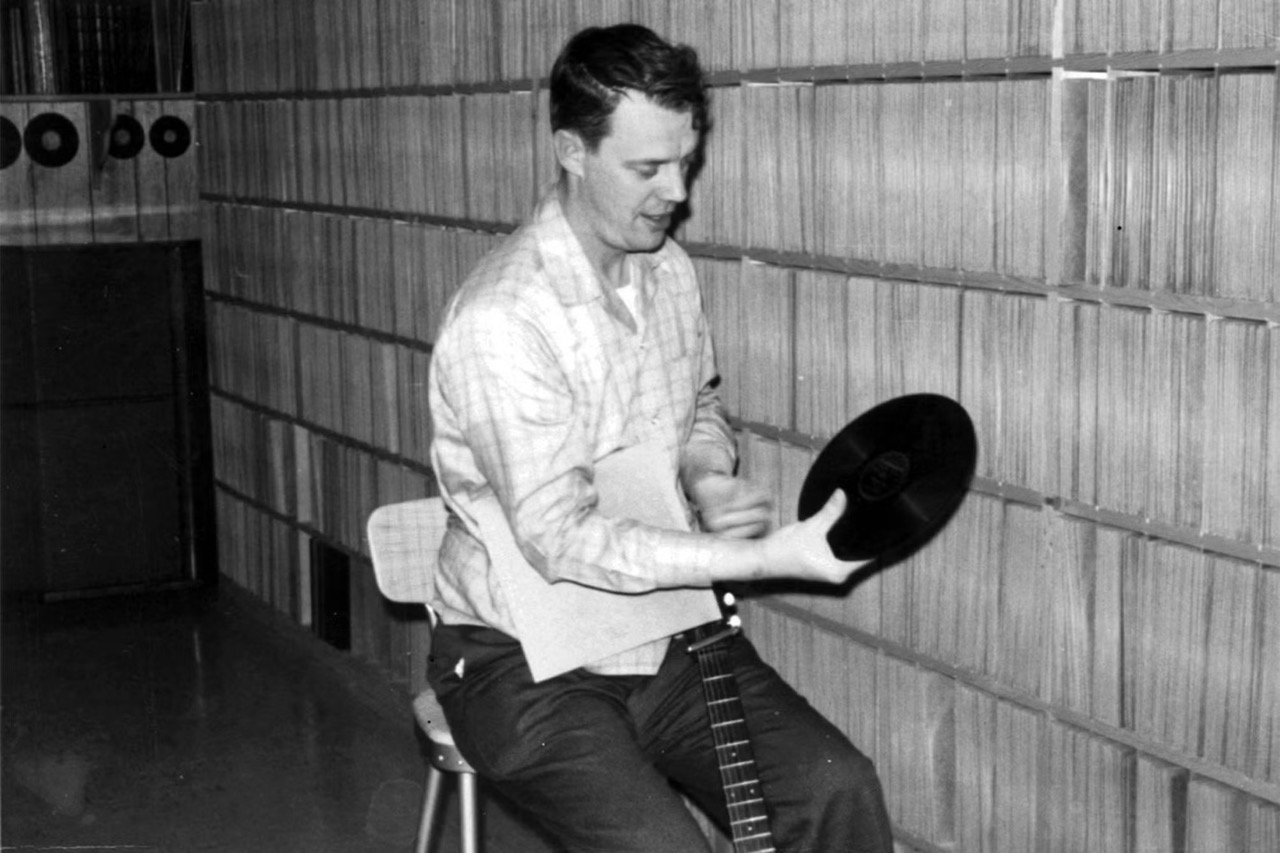
“Joe had an exceptional collection that was built at a time when you could really build something like this,” Seubert said. “You can’t do that anymore. Even if you are fabulously rich, you could never end up with a collection that big and that good.”
Bussard wanted people to enjoy this music, Seubert added. “But you can’t create a culture of enjoyment if everyone is locked in archives, you know? There was a dichotomy between the collection being so good that it should be in a museum. But Joe didn’t want that. So Dust-to-Digital and UCSB have threaded that needle, making the music accessible to the public for free.”
